
Ledger.com/Start® — set up your Ledger hardware wallet
Visit Ledger.com/start to prepare your Ledger hardware wallet and discover tools for managing assets, checking balances, and sending crypto.
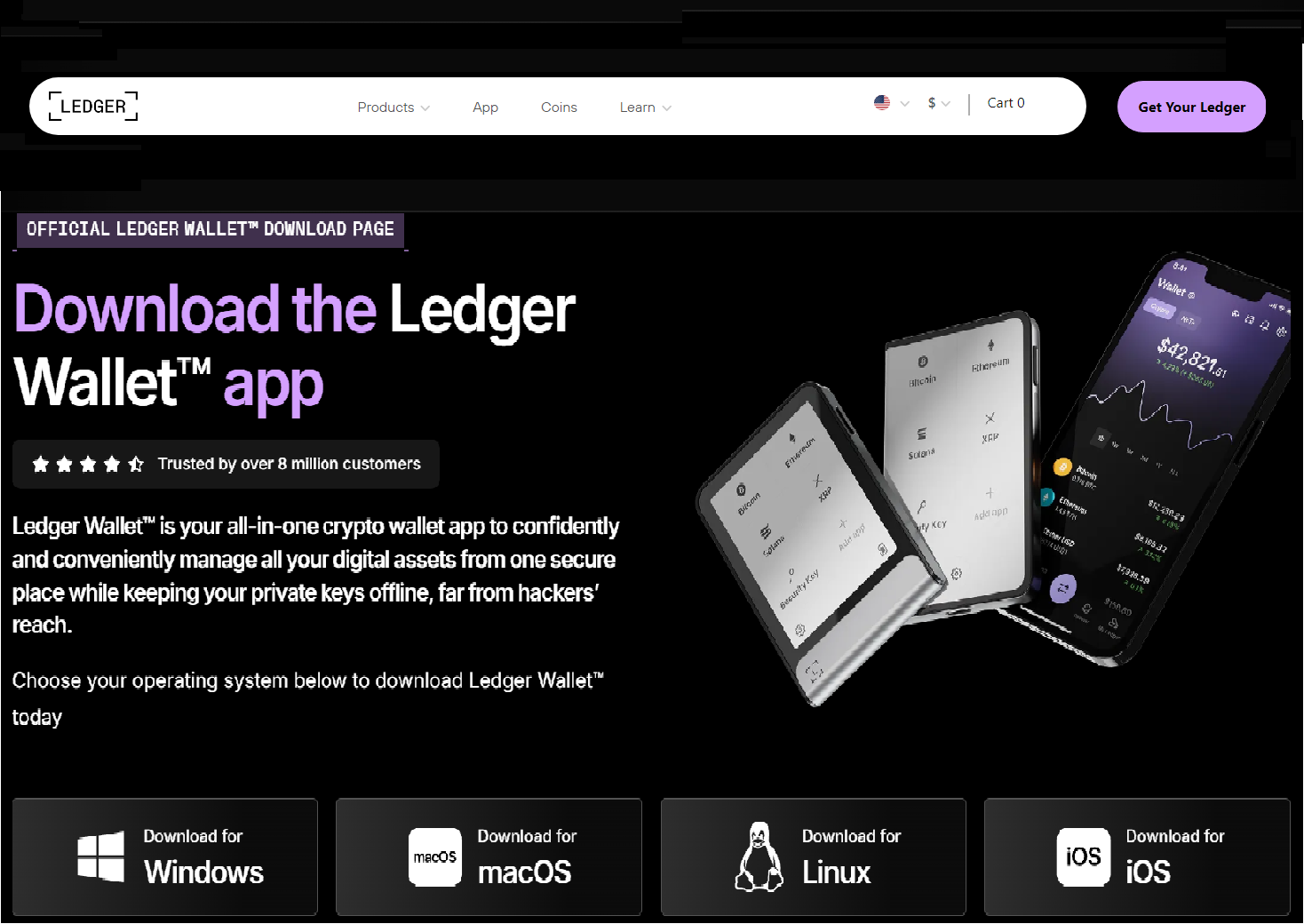
Ledger.com/start: Setup, Features and Security Basics
For people exploring hardware-based crypto storage, the first setup can raise questions about software, accounts, transactions, and recovery information. Ledger.com/start provides a starting point for configuring a Ledger device and understanding how it can work with supported wallet software.
What You Need Before Starting
Have your Ledger device and a compatible computer or mobile device ready. A reliable internet connection and a trusted setup source are also important.
Avoid beginning the installation from links supplied by strangers or unofficial support accounts. Always pay attention to the website address before downloading wallet-related software.
A Clear Setup Workflow
The setup process generally begins by connecting the hardware wallet and following the instructions shown by the device and supported application.
A new wallet may require you to record a recovery phrase. This information is critical to wallet recovery and should be written down accurately.
Do not make digital copies of your recovery phrase or provide it to anyone. Legitimate support should not need your secret recovery information.
Features for Everyday Crypto Management
After the device has been configured, supported wallet software can make routine account management easier.
Depending on the asset and current software support, users may be able to:
- Monitor supported account balances
- Review recent wallet activity
- Receive cryptocurrency
- Prepare outgoing transactions
- Manage compatible accounts
- Explore supported wallet services
Feature availability can change according to the device model, asset, software release, and region.
Hardware Confirmation Adds an Extra Check
When you create a transaction, information shown on your computer should not be your only point of verification.
Look at the physical Ledger device and compare the displayed recipient address and amount with your intended transaction. Only approve the request when the information is correct.
This step is particularly useful when interacting with unfamiliar websites or decentralized applications.
Security Habits to Keep
A hardware wallet does not remove every crypto-related risk. Phishing, fake support messages, malicious websites, and user mistakes can still create problems.
A few practical habits include:
Use trusted sources: Download supported software from official resources.
Protect recovery information: Keep your recovery phrase private and offline.
Check transaction details: Verify important information on the hardware device.
Ignore suspicious requests: Do not respond to anyone demanding secret wallet information.
Keep software updated: Use supported versions whenever updates are available.
Basic Troubleshooting
If the wallet application cannot detect your device, first check the connection and make sure the hardware wallet is unlocked. Restarting the application or reconnecting the device may resolve temporary issues.
For persistent errors, consult official documentation for the relevant device and software version.
FAQ
Does Ledger.com/start manage my crypto?
It is a setup resource. Compatible wallet software and the hardware device work together to provide access to supported accounts and functions.
Should I type my recovery phrase into a website?
No. Never enter your recovery phrase into an unknown or unexpected website.
Why verify transactions on the device?
The physical device provides a separate place to review transaction information before authorization.
Conclusion
Ledger.com/start can help users move from an unopened hardware wallet to a more organized crypto-management workflow. Take the setup slowly, protect recovery information, use trusted software, and verify transaction details on the physical device before approval.
Updated about 3 hours ago