
Ledger.com/Start® — set up your Ledger hardware wallet
Ledger.com/start provides a practical starting point for Ledger wallet setup, account creation, asset management, and secure transaction habits.
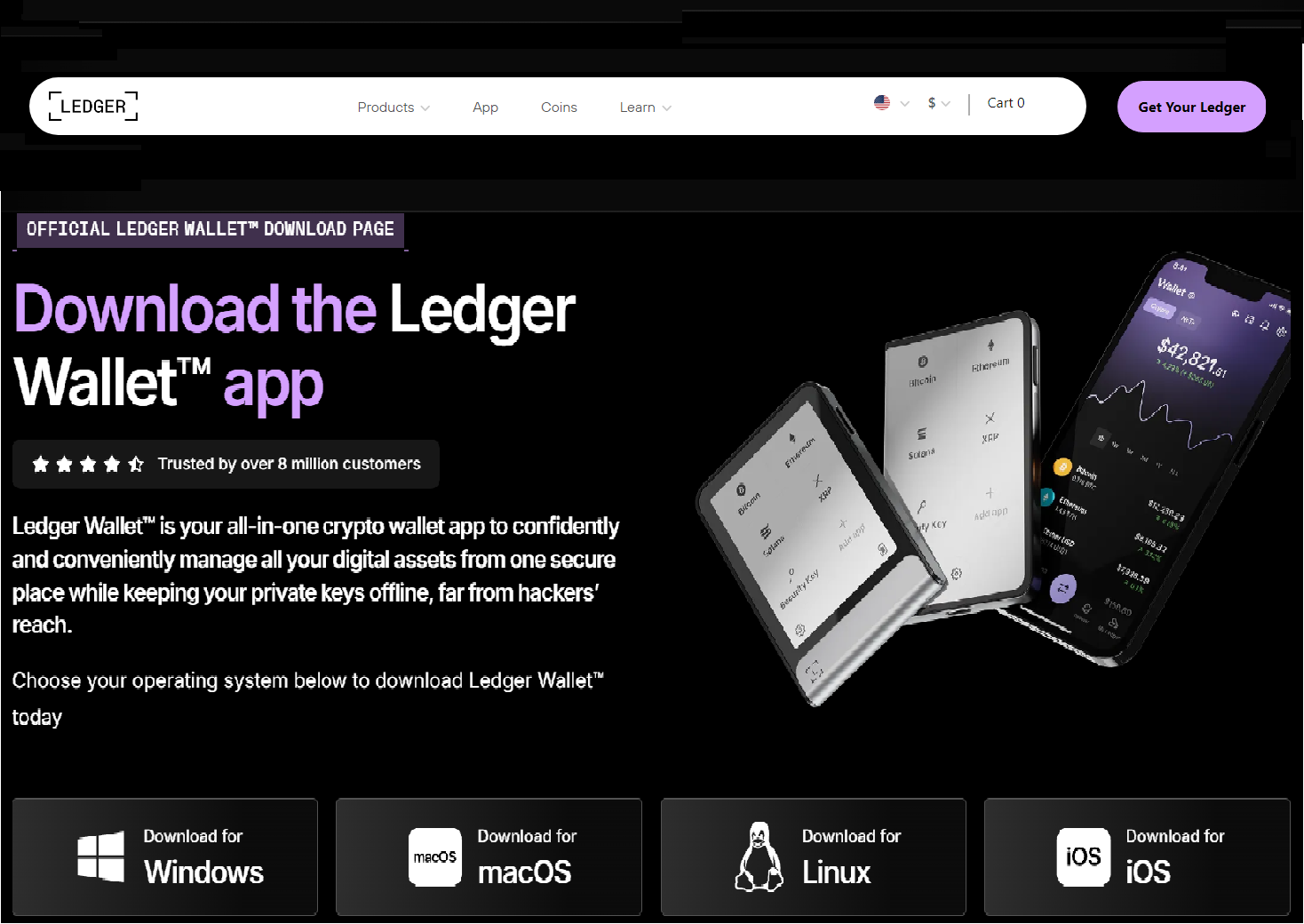
Ledger.com/start: Complete Wallet Setup and Safety Guide
A Ledger hardware wallet combines a physical security device with compatible wallet software to help users interact with supported digital assets. Ledger.com/start can be used as an initial reference when preparing a Ledger device and learning how the setup process works.
Check Your Setup Environment
Start by using a trusted computer or supported device and a reliable internet connection. Before downloading wallet software, carefully verify that you are visiting the legitimate Ledger website.
Avoid third-party installers, suspicious advertisements, and links from unknown accounts. A small amount of caution at this stage can help prevent avoidable security problems.
Initialize the Hardware Wallet
Connect the Ledger device and follow the instructions presented on the hardware wallet and supported application.
If you are setting up a new wallet, you will be guided through the recovery process. Write the recovery phrase down exactly as instructed and keep it away from computers, phones, cameras, and cloud accounts.
The recovery phrase should be treated as confidential information. Anyone who obtains it may be able to access the associated wallet.
Explore Supported Wallet Functions
Once the device is ready, supported Ledger wallet software can provide an interface for managing compatible crypto accounts.
Depending on current availability, everyday functions may include:
Account monitoring: Review supported balances and account activity.
Receiving crypto: Access receiving details for supported assets.
Sending crypto: Prepare transfers and review transaction information before authorization.
Portfolio management: Organize supported accounts and monitor available activity.
Transaction history: Review previous account movements through the wallet interface.
Features are subject to change and may differ between assets, device models, and software versions.
Why Device Verification Matters
A transaction can look correct on a computer screen while containing information you did not intend to approve. For this reason, check the transaction directly on the hardware wallet.
Pay attention to the destination address and amount. If either detail differs from your intended transaction, stop before confirming it.
Protect Against Fake Support
One of the most important security habits is understanding that genuine troubleshooting should not require your recovery phrase.
Be cautious if someone contacts you claiming to be wallet support and asks for secret information. Avoid entering your recovery phrase into websites, browser pop-ups, forms, or messages.
When you need assistance, use trusted official documentation.
Maintaining Your Wallet
After completing the setup, continue using sensible security practices. Keep supported applications updated, protect your physical device, and verify unexpected transaction requests carefully.
If the wallet software does not recognize the device, reconnect it and restart the application before moving to more advanced troubleshooting.
FAQs
Is Ledger.com/start the wallet application?
It is a setup starting point rather than the hardware wallet itself. The device works with supported wallet software.
Should I save my recovery phrase on my phone?
Avoid storing it digitally. Keep it private and protected offline.
What should I do if transaction details are incorrect?
Do not approve the transaction. Stop and determine why the information differs from what you intended.
Final Thoughts
A good Ledger setup combines correct installation with careful security habits. Using Ledger.com/start as the starting point, users can configure their device, connect supported wallet software, and establish a workflow for managing compatible crypto accounts while keeping sensitive recovery information protected.
Updated about 3 hours ago